
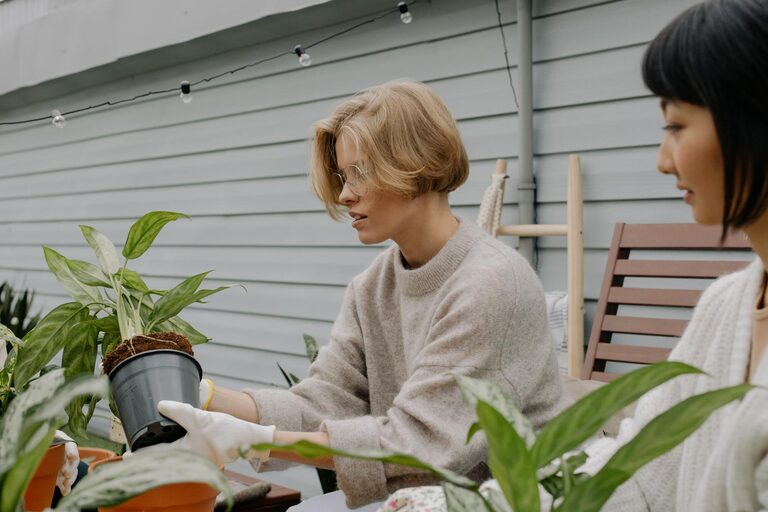
Creating a sustainable home garden that thrives year-round is a rewarding way to connect with nature, reduce your environmental footprint, and enjoy fresh produce or beautiful plants at any time. Whether you have a large backyard or a small balcony, there are several effective strategies to ensure your garden remains productive and eco-friendly through every season. In this article, we’ll explore practical tips and ideas to help you build and maintain a sustainable home garden all year long.
Why Choose a Sustainable Garden?
A sustainable garden focuses on minimizing waste, conserving resources like water and soil, and supporting local ecosystems. It reduces reliance on chemical inputs and often incorporates native or well-adapted plants that require less maintenance. By gardening sustainably, you contribute positively to the environment, improve biodiversity, and often save money on fertilizers, water, and plant purchases.
Planning Your Garden for Year-Round Success
1. Choose the Right Plants for Your Climate
Start by selecting plants that are suited to your local climate and soil conditions. Native plants and heirloom vegetable varieties often thrive better and need less intervention. Consider plants with varying growing seasons so you have something growing all year, such as cool-season greens in winter and warm-season tomatoes in summer.
2. Design with Seasonality in Mind
A garden layout that supports seasonal planting can maximize space and productivity. Try crop rotation and succession planting to keep your soil healthy and maintain a constant harvest. Plan raised beds or container gardens for flexibility in changing plant varieties as seasons change.
Soil Health and Composting
1. Build Healthy Soil
Healthy soil is the foundation of a sustainable garden. Use organic matter like compost, aged manure, and mulch to enrich your soil naturally. Avoid synthetic fertilizers which can harm beneficial soil organisms over time.
2. Start Composting at Home
Composting kitchen scraps, yard waste, and other biodegradable materials can reduce waste and provide nutrient-rich soil amendments for your garden. Keep a compost bin or pile, turn it regularly, and monitor moisture to create nutrient-dense compost year-round.
Water Conservation Strategies
1. Use Efficient Irrigation
Drip irrigation systems and soaker hoses deliver water directly to roots, reducing evaporation. Avoid overhead watering during hot parts of the day to save water and prevent disease.
2. Collect Rainwater
Set up rain barrels or other rainwater harvesting systems to capture and store natural rainfall for your garden. This reduces dependence on municipal water and provides plants with often softer, chemical-free water.
3. Mulch to Retain Moisture
Applying mulch around plants helps retain soil moisture, suppress weeds, and regulate soil temperature. Organic mulches like straw, leaves, or wood chips break down over time and improve soil quality.
Pest and Disease Management
1. Encourage Beneficial Insects
Attract pollinators and natural predators such as ladybugs and lacewings by planting flowers like marigolds, alyssum, or native wildflowers. These beneficial insects help control pests naturally.
2. Practice Crop Diversity
Growing a variety of plants reduces the risk of widespread pest or disease problems. Interplanting herbs and flowers can also deter pests or confuse them.
3. Use Natural Pest Controls
If pests become a problem, use natural solutions like neem oil, insecticidal soap, or handpicking. Avoid harsh chemicals that can harm both pests and beneficial insects.
Extending the Growing Season
1. Use Cold Frames and Row Covers
Protect plants from frost and extend your garden’s growing season by using cold frames, cloches, or floating row covers. These simple structures trap warmth and shield plants from harsh weather.
2. Indoor Seed Starting
Start seeds indoors during late winter or early spring to get a head start before transplanting outdoors. Use grow lights or place seedlings near sunny windows for best results.
3. Greenhouse Gardening
If space and budget allow, a small greenhouse can provide a controlled environment for growing many types of plants year-round, including tender herbs and vegetables.
Sustainable Tools and Practices
1. Choose Durable, Eco-Friendly Tools
Invest in high-quality hand tools that last and avoid disposable plastic products. Maintain tools well to extend their lifespan.
2. Practice No-Till Gardening
Minimize soil disturbance by adopting no-till or low-till gardening methods. This helps protect soil structure, promotes beneficial microbial life, and reduces erosion.
3. Reuse and Repurpose
Use reclaimed materials for garden beds, containers, or trellises. Repurpose household items like jars, cans, or pallets to minimize waste and cut costs.
Final Thoughts
Creating a sustainable home garden year-round takes some planning, but the rewards are well worth it. By focusing on soil health, water conservation, pest management, and choosing climate-appropriate plants, you can enjoy a thriving garden while supporting the environment. Whether you’re growing fresh vegetables, herbs, ornamental flowers, or a mix, these tips will help you cultivate a beautiful, resilient garden that changeseasons with you.
Gardening sustainably makes a positive difference—one plant, one season at a time. Happy gardening!
