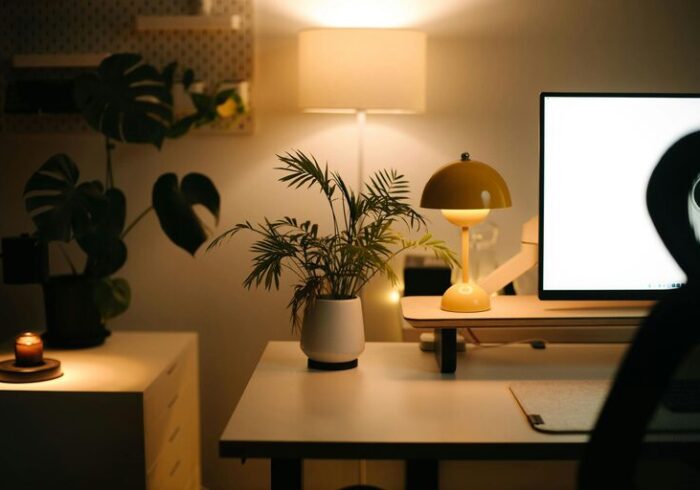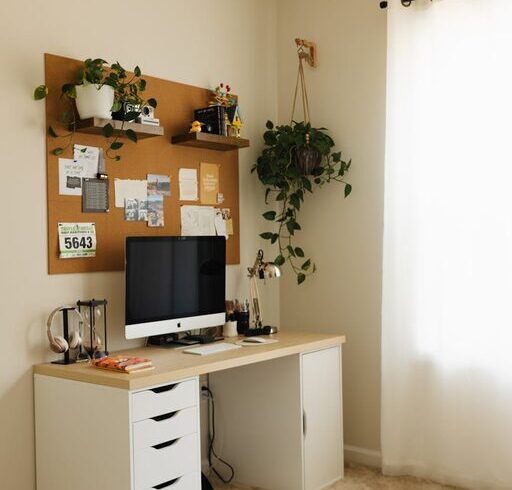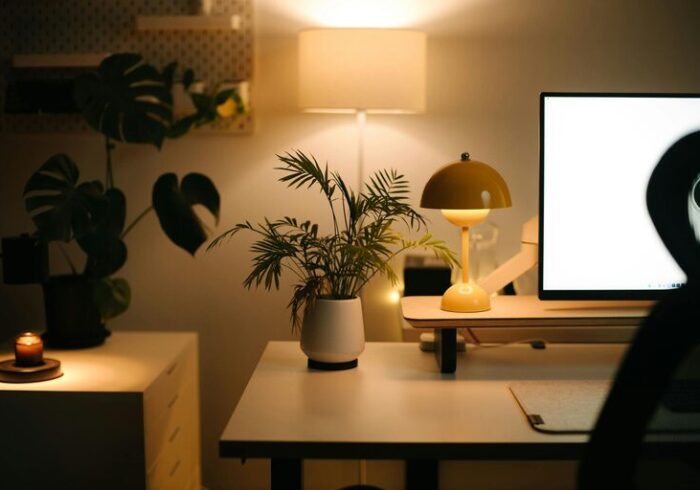

Creating a productive home office environment is essential for those who work remotely or spend significant time completing tasks at home. A well-organized, comfortable, and inspiring workspace can help you stay focused and motivated, leading to better work outcomes and less stress. Whether you’re setting up a new home office or looking to improve your current space, these tips will guide you to create an environment that supports productivity.
1. Choose the Right Location
The first step in creating a productive home office is selecting the right spot. Consider these factors:
– Quiet area: Find a place with minimal noise and distractions. Avoid high-traffic areas or rooms where family members frequently gather.
– Natural light: Choose a location near windows to take advantage of natural light, which can improve mood and alertness.
– Adequate space: Ensure there’s enough room for your desk, chair, and storage.
If space is limited, even a small corner can be transformed into a functional workspace.
2. Invest in Comfortable and Supportive Furniture
Your furniture choices affect your comfort, health, and productivity. Key pieces include:
– Ergonomic chair: A chair with lumbar support helps prevent back pain during long hours.
– Proper desk: Choose a desk with enough surface area for your essentials, including computer, notebook, and other tools.
– Adjustable setup: Consider a desk or stand that allows you to alternate between sitting and standing.
Comfortable furniture encourages better posture and reduces fatigue.
3. Optimize Lighting
Good lighting reduces eye strain and keeps you alert. Here’s how to manage lighting effectively:
– Use natural light as much as possible, but position your desk to avoid glare on your screen.
– Add task lighting such as a desk lamp to illuminate your work area.
– Choose soft, warm light bulbs rather than harsh fluorescent lighting to create a calming atmosphere.
4. Keep Your Workspace Organized
Clutter can be distracting and reduce efficiency. To stay organized:
– Use storage solutions like shelves, filing cabinets, or bins to keep materials in order.
– Implement cable management tools to prevent tangled cords.
– Maintain a clean desk by regularly sorting and removing unnecessary items.
An organized workspace helps clear your mind and saves time searching for supplies.
5. Personalize Your Space
Adding personal touches can make your home office more inviting:
– Decorate with artwork, plants, or photos that inspire you.
– Use colors that improve focus, like blues or greens, on walls or accessories.
– Incorporate items that make you feel comfortable and motivated.
Personalizing your office can boost creativity and job satisfaction.
6. Minimize Distractions
Distractions can hinder productivity, especially when working at home. Try these strategies:
– Set boundaries with family members or roommates about your work hours.
– Turn off non-essential notifications on your phone or computer.
– Use noise-cancelling headphones or background music to improve concentration.
Creating clear work and break times helps establish a routine.
7. Manage Technology Efficiently
Technology is central to most home offices. Make sure yours is set up for smooth workflow:
– Invest in reliable, high-speed internet.
– Keep software and hardware updated to avoid technical issues.
– Use tools like calendars, task managers, or communication apps to stay organized.
A well-maintained tech setup reduces frustration and downtime.
8. Incorporate Break and Movement Areas
Sitting for long periods can affect health and focus. Encourage movement by:
– Taking regular breaks to stretch or walk around.
– Using a standing desk or balance board.
– Creating a small area for quick exercises or relaxation.
Moving regularly can increase energy and creativity.
9. Establish a Routine
Having a consistent daily routine helps maintain productivity:
– Start your day at the same time and follow a morning ritual.
– Plan your tasks with priorities and deadlines.
– End your workday by tidying your desk and setting goals for the next day.
Routines foster discipline and reduce procrastination.
Conclusion
Setting up a productive home office environment involves thoughtful planning and ongoing adjustments. By choosing the right location, investing in comfortable furniture, optimizing lighting, staying organized, and minimizing distractions, you create a space that supports efficient and enjoyable workdays. Remember to personalize your workspace and establish routines to maintain motivation and balance. With these tips, your home office can become a place where focus and productivity thrive.