Creating a home office that is both cozy and productive can make a big difference in your work-from-home experience. Whether you’re setting up a new space or improving an existing one, combining comfort with functionality helps you stay focused while feeling relaxed. Below are helpful tips to guide you in designing a home office that truly works for you.
Choose the Right Location
Start by selecting an area in your home that suits your work style and lifestyle. Ideally, the space should be away from high-traffic zones to minimize distractions.
Consider these points:
– Natural light: A spot near a window improves mood and reduces eye strain.
– Noise level: Choose a quieter area if possible or use noise-canceling headphones.
– Space: Ensure there’s enough room for your desk, chair, and any tools or equipment you need.
Invest in Comfortable Furniture
Your furniture plays a critical role in both comfort and productivity. Prioritize ergonomics to support your health during long work hours.
– Desk: Opt for a desk with ample surface area to organize essentials without clutter.
– Chair: Select an adjustable chair with proper lumbar support to prevent back pain.
– Alternative seating: Consider a standing desk or a balance ball chair for flexibility and movement.
Personalize Your Space
Adding personal touches makes your office inviting and motivates you to work.
– Use artwork, photographs, or plants to add color and life.
– Choose decor that reflects your personality and inspires creativity.
– Keep personal items in moderation to avoid distractions.
Optimize Lighting
Good lighting can reduce eye fatigue and improve concentration.
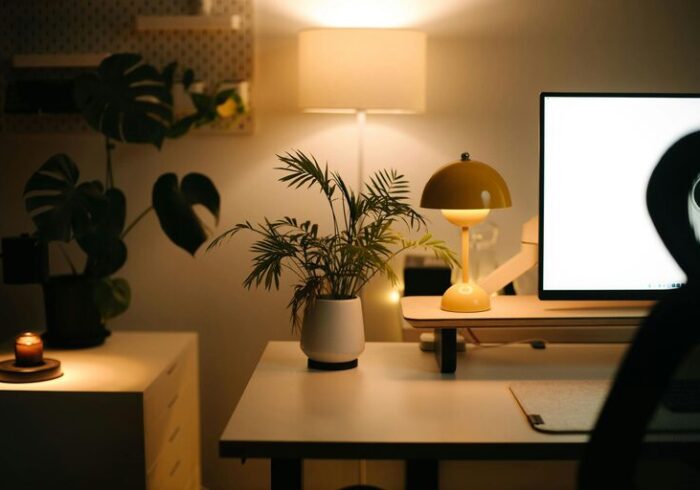
– Combine natural light with quality artificial lighting.
– Use LED desk lamps with adjustable brightness.
– Avoid glare on screens by positioning lights thoughtfully.
Organize and Declutter
A tidy workspace helps maintain focus and reduces stress.
– Use shelves, drawers, or organizers to keep supplies neatly stored.
– Keep only the items you use daily within arm’s reach.
– Regularly clear your desk to maintain a clean surface.
Incorporate Technology Thoughtfully
Technology is essential, but it should not overwhelm your workspace.
– Use wireless devices when possible to reduce cable clutter.
– Invest in reliable, high-speed internet and necessary accessories like headphones or external monitors.
– Arrange cables neatly using clips or cord organizers.
Create Zones for Different Tasks
If space allows, design different areas for tasks such as computer work, reading, or brainstorming.
– A quiet corner with a comfortable chair for reading or phone calls.
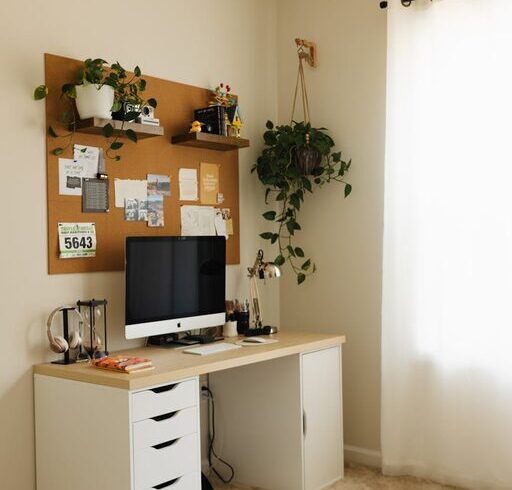
– A whiteboard or pinboard for notes and ideas.
– Storage zones for documents and office supplies.
Maintain a Routine and Comfort
Your home office should support daily routines that enhance productivity.
– Set regular working hours to build consistency.
– Keep a water bottle or coffee mug nearby to stay hydrated.
– Use a small fan or heater to keep a comfortable temperature.
– Take breaks to move and stretch to boost energy.
Incorporate Greenery
Plants can improve air quality and create a calming environment.
– Choose low-maintenance plants like succulents or spider plants.
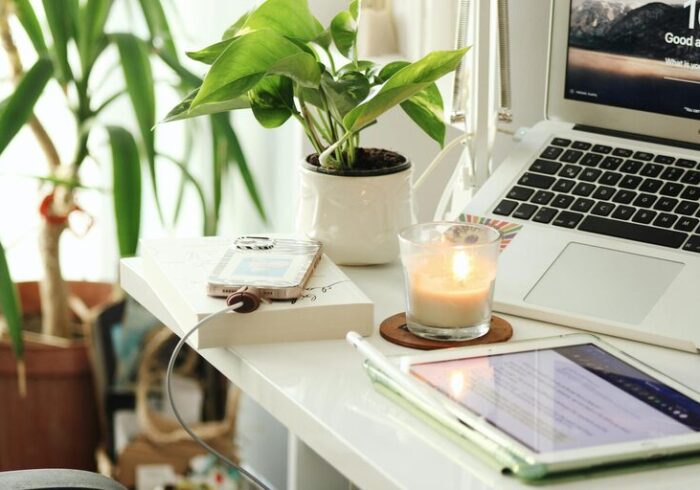
– Place plants near your desk or windowsill for visual appeal.
Use Color Wisely
Colors can affect your mood and productivity.
– Soft, neutral tones create a calm atmosphere.
– Accent walls or accessories in energetic colors like blue or green can enhance focus.
– Avoid overly bright or distracting color schemes.
Regularly Refresh Your Space
Keep your workspace inspiring by updating and rearranging occasionally.
– Swap out decor according to the season.
– Rearrange furniture to improve flow or access to natural light.
– Add new organizational tools as needed.
—
Creating a cozy and productive home office space is achievable with deliberate planning and attention to your personal preferences. By combining comfort, organization, and style, you can make your home office a place where work feels less like a chore and more like a rewarding part of your day.