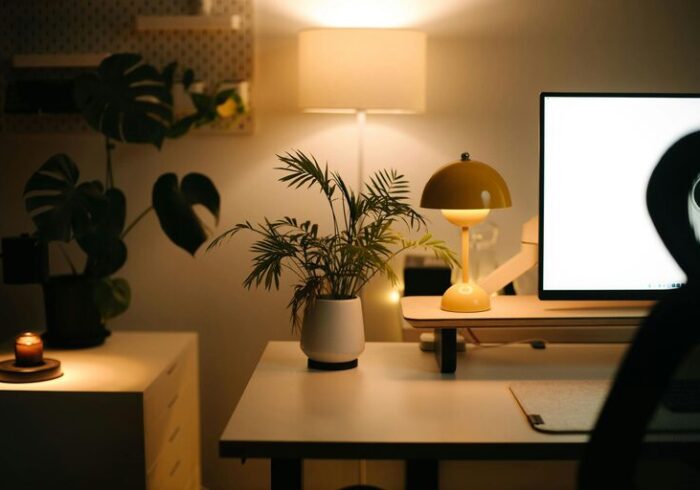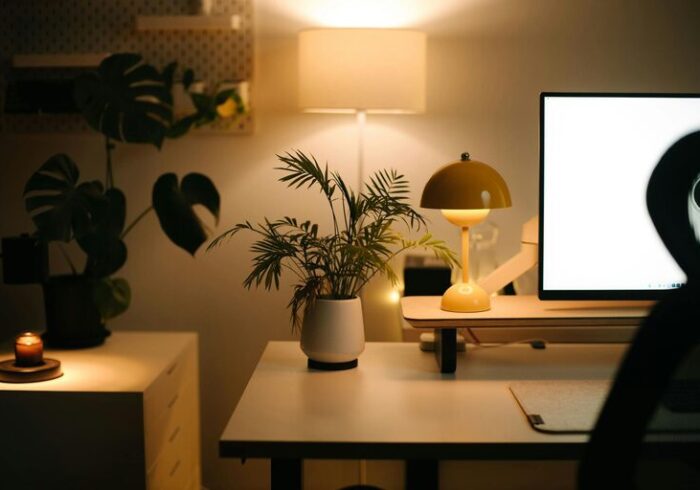
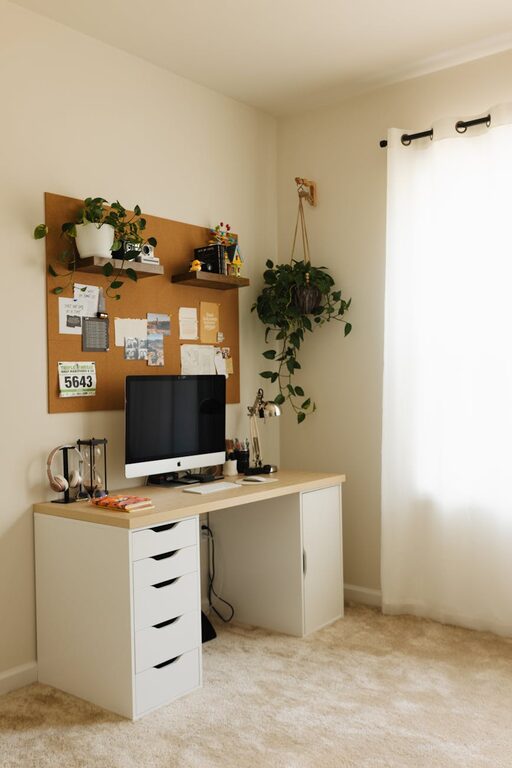
Creating a cozy and inviting home workspace is essential for maintaining focus, comfort, and motivation—especially as many people spend significant time working from home. A well-designed workspace not only enhances productivity but also helps you feel relaxed and inspired. Whether you have a dedicated room or a small corner, here are practical tips to turn your workspace into a welcoming haven.
Choose the Right Location
Finding the perfect spot for your home workspace is the first step.
– Natural Light: Aim to set up near a window if possible. Natural light reduces eye strain and uplifts mood.
– Quiet Area: Pick a space with minimal distractions and noise to help you stay focused.
– Comfortable Temperature: Avoid areas prone to drafts or extreme heat. Being physically comfortable supports longer work sessions.
Invest in Comfortable Furniture
Your chair and desk can make a huge difference in how you feel throughout the day.
– Ergonomic Chair: Look for an adjustable chair with good lumbar support to protect your back.
– Proper Desk Height: Ensure your desk is the right height for typing and writing comfortably.
– Flexible Layout: Consider a standing desk converter if you want to change positions during the day.
Add Soothing Colors and Decor
Colors and decor affect your workspace’s atmosphere and your mood.
– Soft, Neutral Colors: Shades like light blue, soft gray, or warm beige create calm and focus.
– Personal Touches: Add framed photos, artwork, or plants to make the space feel more inviting.
– Minimal Clutter: Keep decorations simple and purposeful to avoid visual distractions.
Organize Efficiently for Productivity
An organized workspace allows you to work efficiently and with less stress.
– Storage Solutions: Use shelves, drawers, or baskets to keep supplies neat and accessible.
– Cable Management: Tidy up cables with clips or sleeves to reduce messiness.
– Desk Essentials: Keep frequently used items within arm’s reach to save time.
Incorporate Greenery
Plants have a natural calming effect and improve air quality.
– Low-Maintenance Plants: Try snake plants, pothos, or succulents that are easy to care for.
– Placement: Position plants where they get indirect light but won’t interfere with your work area.
– Size Considerations: Use small pots on your desk or a larger floor plant nearby to add life without clutter.
Optimize Lighting for Comfort
Good lighting prevents eye strain and sets a productive mood.
– Task Lighting: Use a desk lamp with adjustable brightness to focus light where needed.
– Avoid Glare: Position monitors and lamps to reduce screen glare.
– Warm vs Cool Light: Warm lighting creates a cozy atmosphere, while cool light improves alertness; choose based on your preference.
Make It Personal but Professional
Your workspace should feel uniquely yours yet support professionalism.
– Inspiring Quotes or Vision Board: Add motivation without overcrowding your space.
– Neutral Background: If you take video calls, a clean and simple backdrop looks best.
– Comfort Items: Include a cozy blanket or cushion to keep you comfortable during work hours.
Manage Noise and Distractions
Maintaining focus means controlling unwanted sounds and interruptions.
– Noise-Canceling Headphones: Great for blocking out background noise.
– White Noise Machines: These can soften disruptive sounds and improve concentration.
– Set Boundaries: Communicate your work hours to household members to minimize interruptions.
Incorporate Break Zones
Even a small spot away from your desk can encourage healthy breaks.
– Comfortable Chair or Cushion: Use this area to stretch or relax during short breaks.
– Hydration Station: Keep water or tea close to encourage frequent hydration.
– Mindfulness Corner: Add calming elements like a small fountain or essential oil diffuser to refresh your mind.
Keep It Flexible
Your needs may change, so design your workspace to adapt.
– Movable Furniture: Use lightweight desks or storage units that can be rearranged easily.
– Multi-Purpose Furniture: Consider desks with adjustable heights or foldable parts.
– Regular Updates: Periodically reassess your setup to improve comfort and productivity.
—
Creating a cozy and inviting home workspace doesn’t require a full renovation. Simple changes like improving lighting, choosing comfortable furniture, and adding personal touches can elevate your daily work experience. Remember, the key is to make a space where you enjoy spending time while staying productive. With these tips, you can build a home workspace that feels both functional and welcoming.